
Remembering Yayoi Kusama: The Polka-Dot Icon’s Life in Pictures
The Japanese artist, whom the world knew for her giant, colorful polka-dot and pumpkin motifs and immersive creations, continued painting until her final days.

Japanese avant-garde artist Yayoi Kusama, known around the world for her vibrant signature polka dots, pumpkin sculptures, and immersive mirror rooms, has passed away at the age of 97.
She died at a hospital in Tokyo on August 14, Yayoi Kusama Museum and Foundation said in a statement. Her cause of death was not disclosed.
Throughout her decades-long career, Kusama’s creative practice extended beyond visual art to performance, fiction, and poetry. According to Kusama’s museum and foundation, she continued painting until her last moments.
“She continued to paint until her final days, never setting aside her brush, and remained steadfast in her lifelong belief that love can save the world,” their statement said.
Here’s a look back at Kusama’s life in pictures.
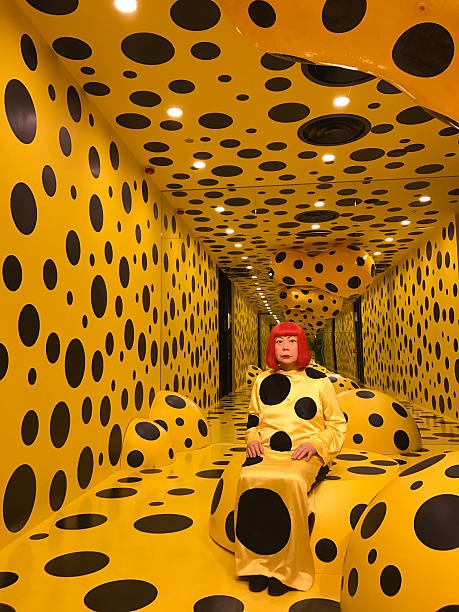
Born in Matsumoto City, Japan, in 1929, Kusama started making art as a child. At a young age, she experienced visions and hallucinations of dots, nets, and other patterns — experiences that would later become the hallmarks of her artistic work.
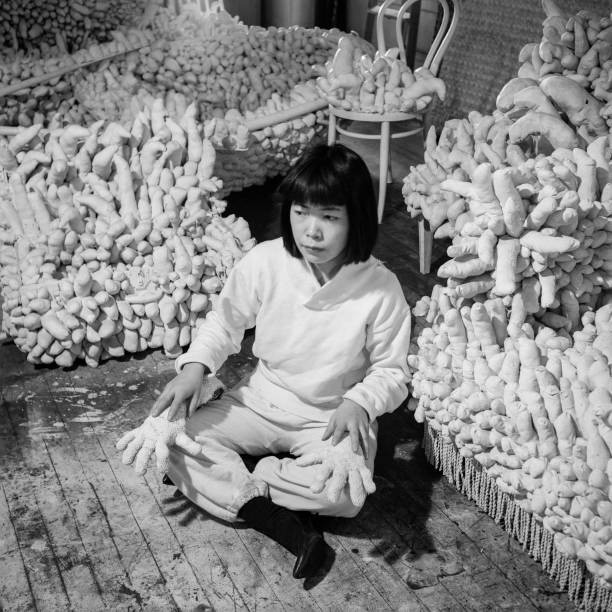
Kusama dedicated herself to being an artist in her early 20s against the wishes of her family. She eventually left Japan for the United States in 1957, immersing herself in New York City’s avant-garde art scene. There, Kusama began exhibiting innovative works centered on repetition, infinity, and what she called “self-obliteration,” using everything from her signature nets and dots to mirrors and lights.

She also caused a stir for her provocative performances and “happenings,” including body-painting events and works that featured nudity and anti-war themes. Her exploration eventually brought her Infinity Mirror Room series to life, which would draw millions of visitors half a century later.
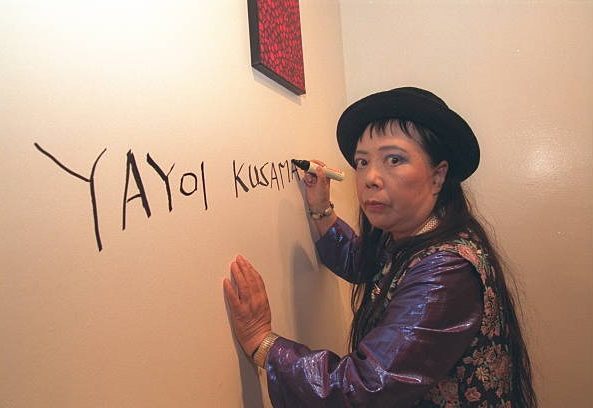
The Japanese artist, however, opened up about how her ideas were taken up by or “inspired” her male contemporaries, including Andy Warhol, Claes Oldenburg, and Lucas Samaras, whose works received greater recognition. She went back home to Japan in 1973, where she resumed writing fiction and poetry. But Kusama’s mental health worsened—marked by experiences of hallucinations, panic attacks, and even suicide attempts—prompting herself to check into a psychiatric hospital in Tokyo in 1977. She lived there while continuing to work at her studio just across the road.
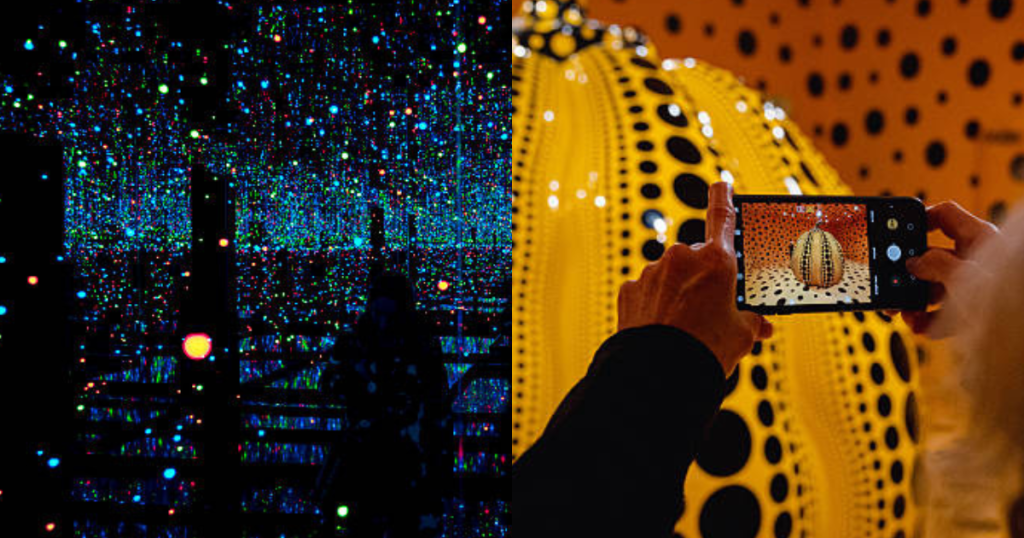
It was in the 1990s when interest in Kusama’s work began to rise again. Her immersive mirror rooms, featuring mirror-lined chambers, polka-dotted pumpkins, and dazzling light installations, then found a new generation of audiences in the age of social media, transforming her work into a cultural and Instagram-era sensation.
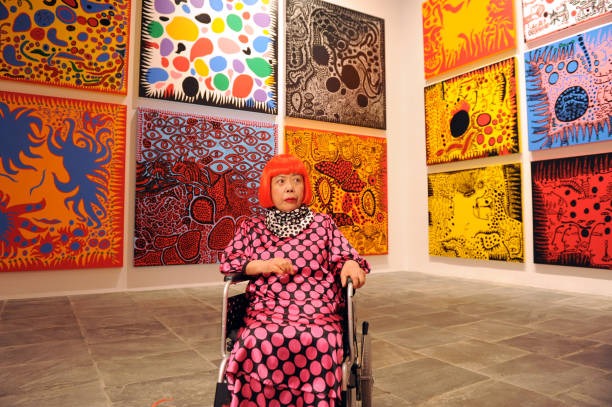
In 2021, Kusama began a new painting series, Every Day I Pray for Love, as she completed My Eternal Soul that comprised roughly 900 works.

Her creations appeared in major museums and institutions around the world, including the Museum of Modern Art in New York, the Tate Modern in London, the Whitney Museum of American Art, and the Centre Pompidou. Kusama’s influence also stretched beyond galleries, with long-running collaborations with luxury brands like Louis Vuitton.
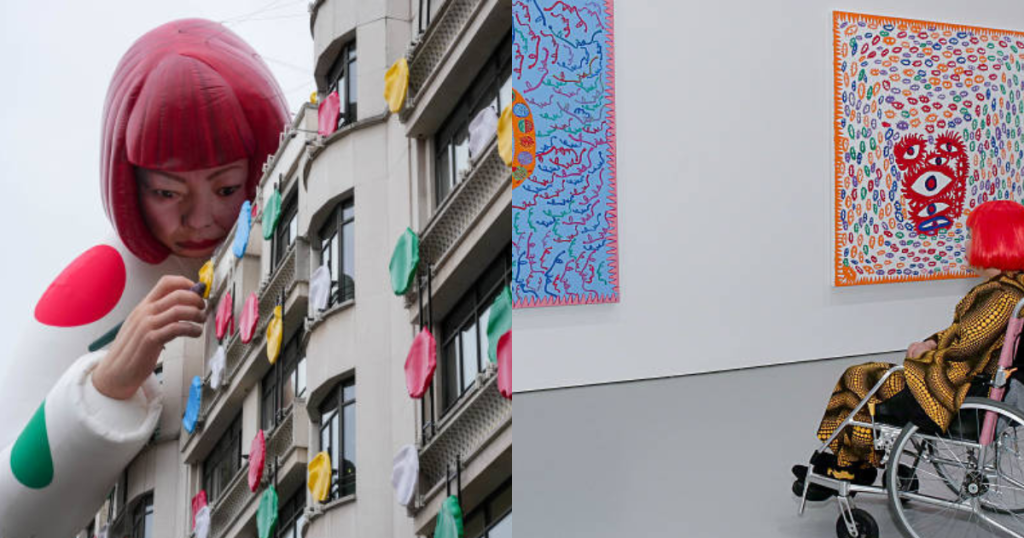
Her art was built around infinity, but so was her legacy. Kusama leaves behind a body of work that, like her endless fields of dots and mirrors, refuses to disappear, making an impact that goes well beyond the canvas.